In my current Professional Experience placement, I have taught film techniques and storytelling to a Year 8 English class through the use of the film ‘Coraline.’ During these lessons I had a student ask me specifically why they had to study film techniques and storytelling through the viewing of a film, and that film was a poor choice of a resource in educating the class in English. This question from the student had caught me off guard as they were questioning current curriculum outcomes in English in regard to film and how it is taught in the classroom (Board of Studies, 2012). After receiving this question, it made me reflect if films are still viable in educating students in the English classroom?
Before students underwent the visual learning through the film Coraline, I had prepared PowerPoint slides which allowed myself to go through film techniques with the students. The focus of this activity was in regard to camera angles, more specifically the low and high angle shots that Coraline uses quite consistently throughout. This framed the students mind in preparation to the film. Students then continued to experience prior learning through the flashcard activity on Quizlet which would help them understand more film techniques that they required to know before viewing the film. I wanted to make sure that students had the opportunity to increase their knowledge of vocabulary, text structures and language features to understand the content of texts through this task (Board of Studies, 2012). I asked the students to copy the information of these slides into their books so they could refer back to the techniques at any given point in time and discussed with them the techniques so I could see they had a clear understanding on these techniques.
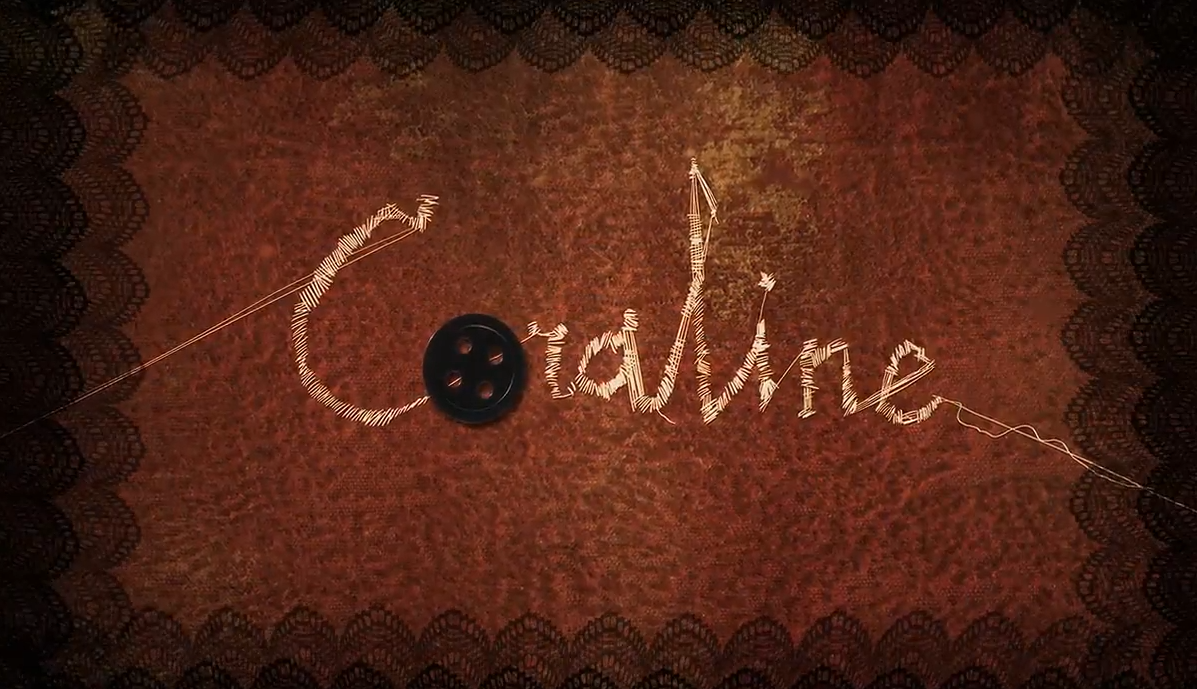
The choosing of a film to educate learners about film techniques and storytelling was not an accidental one. Films have a unique way of educating learners compared to a more traditional text-based medium such as a novel. Imagery is a dominant factor in educating the learner and over the years it has grown more dominant. It has been noted that educators need to recognise that learners are immersed in a popular culture largely framed by emotions and images. Since these emotions and images are privileged in popular culture, they should be the front door for leaners’ educational process (Gonzalez’s, 2015). Film use in classrooms are becoming more commonplace for educators and more recent studies have disclosed that K-12 teachers across all subject’s average slightly under twenty minutes of feature film use a week out of a total of ninety-four minutes of all types of video/televised lessons per week (Marcus & Stoddard, 2007). With this in mind, I am hesitant to have the class just sit and watch the film for full lessons, as the initial reason for the viewing could lose its impact on the students and therefore not have a positive impact on the students. I have countered this with a worksheet I had created for them to complete while watching the film which helps the students carefully consider the film and the techniques used to deliver the story which has since then been proven to be quite successful.
In regard to the technology used in the classrooms, it is now plainly seen that classrooms rely on technology for day-to-day uses, whether it be the teacher using the screen to educate or the students completing a presentation towards their peers. While the future moves forward, the vision of the glorious technological utopia of tomorrow is often contrasted with anxieties surrounding potential technological disaster (Bartolo, 2017). Even with the problems that technology can bring, needing to plan for and implement effective teaching and learning is required in the modern-day classroom, which means utilizing the current available technologies to help the students during their education (AITSL, 2011). During the viewing of Coraline there did occur technological difficulties that needed to be addressed immediately otherwise it would have impacted the students learning significantly. Since I had planned for problems such as the one, I was able to adjust my plan and continue with the lesson with minimal interruptions to the lesson and the students learning.
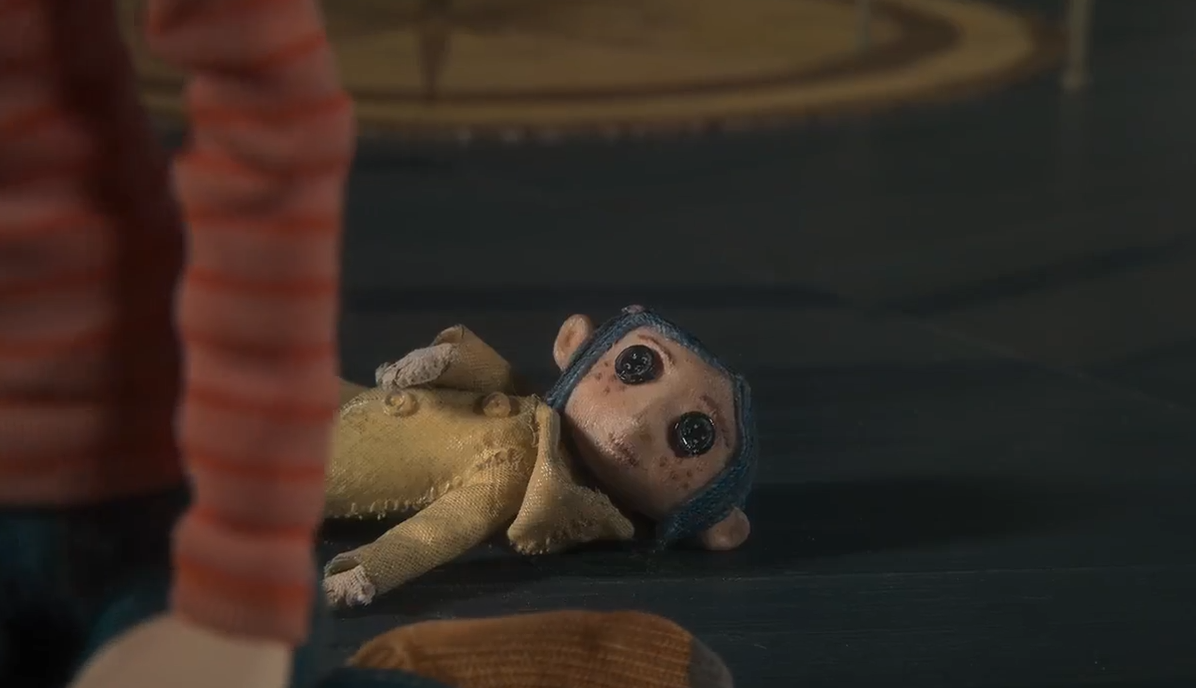
The process of storytelling has always been something that humans have found interesting and been captivated by it. Educators for years have used storytelling through non-digital texts to help students learn and remember valuable life lessons, others opinions and recounts of historical events and writing techniques, such as Edwin Brock’s poem ‘5 Ways to Kill a Man,’ a poem on the history of the senseless violence of man throughout the ages. Digital storytelling has been emerging since the 80’s and has now become a presence in the modern day classroom that can’t be ignored. Educators at all levels can use digital storytelling in many ways, from introducing new material to helping students learn to conduct research, synthesize large amounts of content and gain expertise in the use of digital communication and authoring tools (McLellan, 2006). With the awareness and growing understanding of differentiation in the classroom, educators need to understand that digital storytelling is a process that should be used in furthering students’ education and film should be utilized like I have accomplished within the classroom for educating students.

Films in the classroom still have plenty to offer in regard to understanding film techniques and storytelling. While techniques can be studied through non-digital forms and analysed, having students view these techniques through the use of film has proven to be useful through the research articles and government documents that have been mentioned previously. Storytelling has since evolved with the technologies of the modern day and has given the everyday student plenty of ways in understanding the content they have been required to learn. If film was to be taken away from the classroom, students would suffer from this form of learning and could harm their learning process over all.
References
- Australian Institute for Teaching and School Leadership. (2011). Australian Professional Standards for Teachers. Retrieved from https://www.aitsl.edu.au/docs/default-source/apst-resources/australian_professional_standard_for_teachers_final.pdf
- Bartolo, L. (2017). Uncovering the Paradigm: Combining the Old and the New in a 21st-century Pedagogy for Teaching Film in English. English in Australia, 52(3), 43-50.
- Board of Studies NSW. (2012). English K-10 Syllabus. Retrieved from https://educationstandards.nsw.edu.au/wps/portal/nesa/k-10/learning-areas/english-year-10/english-k-10
- Gonzalez, B., Graziela, M., González, B. (2015). Education through Movies: Improving teaching skills and fostering reflection among students and teachers. Journal for Learning through the Arts, 11(1). DOI: 10.21977/D911122357.
- Marcus, A., Stoddard, J. (2007). Tinsel Town as teacher: Hollywood Film in the High School Classroom. History Teacher, 40(3), 303-330.
- McLellan, H. (2006). Digital Storytelling: Bridging Old and New. Educational Technology, 46(5), 26-31.

 Digital Professional Portfolio & Viva Voce