During my current Professional Experience placement, I am teaching a year 10 English class along with my year 8 class as mentioned before in my other reflection. During the lessons I have taught them, some of these lessons involve quiet reading time. This has been created so students can read without the need to write a report or look for grammar techniques specifically, which hopefully sparks enjoyment in the activity of reading. During reading time in the lesson, I had some students ask me why I am reading graphic novels instead of the more traditional novel, and that graphic novels didn’t count at valid ways of literacy that could be used in a classroom. I was happy to discuss and told the students that I enjoy the way a story is told through the use of multimodal literacies such as the use of images, writing, speech, gesture and so on. The students were fascinated by this, not because it was a graphic novel, but that they could read something such as this and still have the opportunity to improve their literacy. After this discussion with the students, I thought how can graphic novels improve students understanding of multimodal texts within the classroom.
Multimodality can be found within graphic novels on every page due to the structure of the design. Due to the various design elements, meanings are then constructed through the forms of Linguistic Meanings, Visual Meanings, Audio Meaning, Gestural Meaning and Spatial Meaning (Humphrey, 2014). These multimodal meanings when unified, help the reader analyse the story being told on the page. The method of delivery for these meanings on the page accurately carries out exploring and explaining the combinations of language and visual choices that authors make to present information, opinions and perspectives in different texts (Board of Studies, 2012) that students are required to learn within the classroom. Since graphic novels deliver these meanings, I encouraged students in my classroom to bring in any graphic novels they owned for class reading time. I also brought a few of my own which students eagerly accepted as reading material. It was quickly revealed that linguistic meaning and gestural meaning were working together for a particular student, as the pages from the graphic novels created tense moments and kept the student on edge as they read in eagerness as Batman fought Killer Croc.

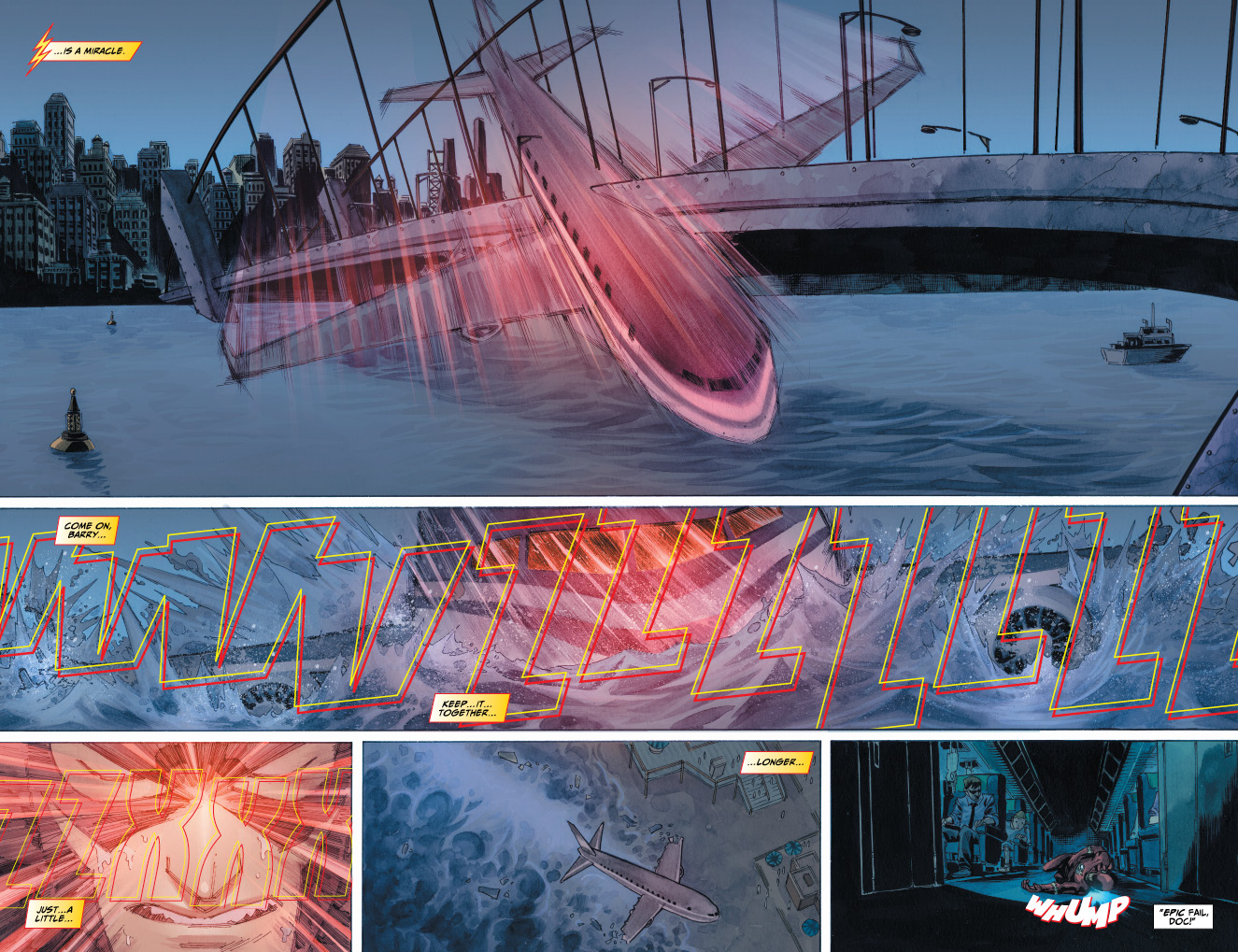
Now that we understand that graphic novels present many faces of multimodal literacy, the two main examples of multimodality in graphics novels are noted through the use of sequential art, which appeal to the intellectual, and pictures, which appeal to the emotions in a way no other art form does (Karp, 2011). Through these combinations, students can begin to distinguish how each different meaning brings their own element to the text and are combined together to create a piece of multimodal text that helps them understand the message through a series of different meanings. As students read more graphic novels, it is viewed through the Growth model of English that students have more of a chance to become more aware to the meanings that are presented in the multimodal text and can start to aptly apply these understandings to other texts that require unpacking and understanding for future studies (Dutton and Manuel, 2018).
Graphic novels have been noted to contain subpar literature due to its format, despite the presentation of multimodal elements. Students who use graphic novels as a source of literacy are to still benefit from understanding the meanings mentioned before and should not to be considered disadvantaged despite that one of the most criticised aspects of graphic novels is that they involve substandard literature (Yildirim, 2013). By analysing how graphic novels work as both a source of reading and analytical skills, it is stated that “The beauty of graphic novels in the high-school classroom is that they truly offer a multilevel reading experience for all readers. Students not only have to read the words for the plot but the image for the plot, too. By having students read on the two levels of text and image, they are not only improving their basic reading ability, but also their analytical skills – by evaluating how the images work with the text” (Brodsky, as cited in Yildirim, 2013). As noted, graphic novels have the potential to teach students many elements that are studied in English through its different form. If you Google art by Mike Mignola, David Mazzucchelli, Frank Miller or Tim Sale, you will see artists who are masters of composition, mood, colour, symbolism and visual metaphor – all the visual language techniques we try to teach in a film unit (Baker, 2013). I had a student ask for help in understanding what was unfolding on a page in front of them, as it seemed that a villain was helping the hero. At first glance it seemed odd but once I helped the student by guiding them through an understanding pertaining to the different elements on the page such as the dialogue, colour usage and the symbolism, the student was able to then fully grasp the multimodality of the text and could then read the rest of the graphic novel with ease as they continued to analyse and understand what was being presented to them.
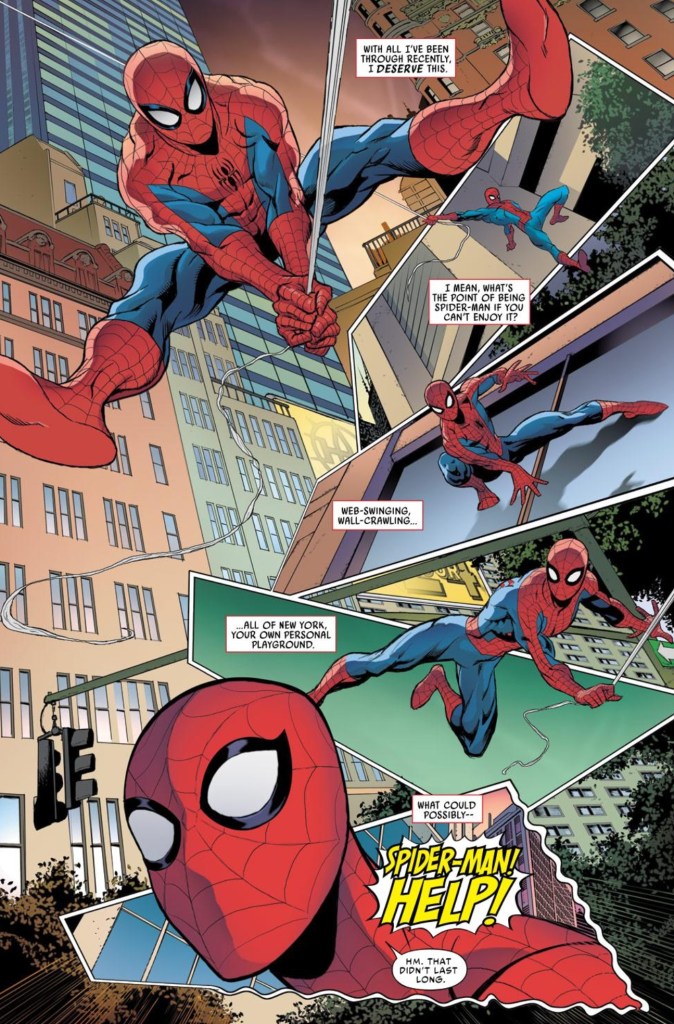
Through the use of graphic novels and their elements such as linguistic meaning, visual meaning, audio meaning, gestural meaning and spatial meaning, students are able to improve their understanding of multimodal texts through the continuous reading and analysing of these sources. Teachers and students gain to benefit from graphic novels in the classroom through the combined use of literature and static pictures, having both these elements from novels and films combined into one text, students activate multiple meanings when reading so they can understand what they are being presented with, making use of the modality of the graphic novel. The multimodality of graphic novels has also been proven to encourage reading in disinterested students and helps improve literacy overall. Students that read graphic novels are able to then be aware of multiple elements that are working together in these texts, which will help them in learning and understanding future text types.
References
- Australian Institute for Teaching and School Leadership. (2011). Australian Professional Standards for Teachers. Retrieved from https://www.aitsl.edu.au/docs/default-source/apst-resources/australian_professional_standard_for_teachers_final.pdf
- Baker, J. (2013). Using Graphic Novels. English in Aotearoa, 81, 18-20.
- Board of Studies NSW. (2012). English K-10 Syllabus. Retrieved from https://educationstandards.nsw.edu.au/wps/portal/nesa/k-10/learning-areas/english-year-10/english-k-10
- Dutton, J. & Manuel, J. (2018). Becoming an English Teacher. Charged with Meaning, 1, 1-26.
- Humphrey, A. (2014). Alternative Modalities – A Review of Graphic Encounters: Comics and the Sponsorship of Multimodal Literacy. The Comics Grid: Journal of Comics Scholarship, 4(1). 1-3. DOI: http://dx.doi.org/10.5334/cg.am
- Karp, J. (2011). The Power of Words and Pictures: Graphic Novels in Education: Use students’ visual vocabulary as a learning tool. American Libraries, 42(7), 33-35.
- Yildirim, A. (2013). Using Graphic Novels in the Classroom. Dil ve Edebiyat Egitimi Dergisi, 2(8), 118-131.

 Digital Professional Portfolio & Viva Voce
